Dr. Al Sears Power for Healthy Living
HomePast IssuesCatalogHealth and Wellness CenterHealth DirectoryHealth ResourcesPACE® PowerContact Us


TA65
in the News:

NEWSWEEK:
HEALTH FOR LIFE


Never Say Die
Step aside, quacks. The search for longer life is a real science now.

By Anne Underwood

Click Here

Learn More about Primal Force supplements

Learn More about our Wellness Research Foundation

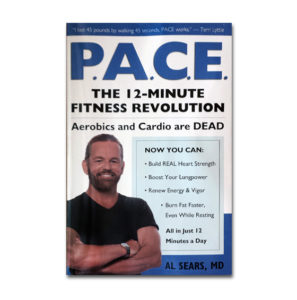
Learn more about Pace Power

Join Dr. Sears' Partner Program

Learn More about
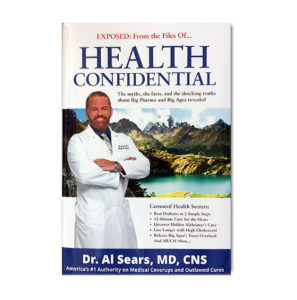
Dr. Sears' Books


Your Best Health Under the Sun

PACE - Native Fitness

12 Secrets to Virility

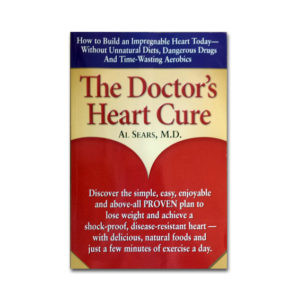
The Doctor's Heart Cure

Sign up TODAY!
Simply sign up to receive Dr. Al Sears' FREE Health e-letter (5 x per week) and we'll immediately send you his most recent research report, Seven Steps to a More Youthful Life... absolutely FREE:
First Name: Email:
Get Your Glycemic Index

February 28, 2009 Issue No. 36

In this Issue:

  • Don’t Discard Centuries of Nutrition Wisdom

  • Could this Asian Fruit Save Your Heart?

  • You Should Avoid Fast Food, Right?


Don’t Discard Centuries of Nutrition Wisdom

My dad was health conscious in an old-fashioned way. He practiced holistic health care before it had a name. He knew how to keep himself lean and muscular without much effort.

He would beat all the neighbors at parties in push-up contests. Women would steal glances at his biceps and men would marvel at his feats of strength. Many people probably assumed it was good genes. Yet, I believe it was about life choices.

Our culture has been critical of the health choices of our fathers. They have become politically incorrect – even taboo. Yet, before you throw away these centuries of wisdom, let’s re-examine them in light of today’s science.

Dad never lifted a weight in his life. He did rounds of push-ups, pull-ups and crunches. He said his diet of raw eggs, wild game and spicy food would “make a man out of you.” Most tips he got from his father and older brothers. They were their own men’s club. He passed these health tips down to me and now I want to share them with you.

Eat Wild Game, Grass-Fed Meat

My dad was a hunter. We always had rabbit, squirrel and quail – and occasionally deer or wild boar. He claimed that eating meat could make you strong and “put hair on your chest.”

I never took this literally until decades later, when I found research that red meat is the best source of muscle building creatine, provides the highest concentration of heart-fueling CoQ10 and increases testosterone levels.

As testosterone drops, men lose body hair. As testosterone rises, men experience increases in body hair in a masculine distribution. You were right, Dad; meat really does put hair on your chest.

The meat we ate was either wild game or from nearby farms. The majority of the meat we eat today comes from commercial farms. Farmers feed the cattle grain, animal by-products, and synthetic hormones and antibiotics.1

Feedlot cattle do not eat what nature intended them to eat. As a result, the cattle often have a difficult time digesting the starch and get sick or die. To combat the disorders caused by a starchy diet, farmers inject the animals with antibiotics.

The percentage of livestock that is salmonella resistant to five different antibiotics has increased from less than one percent in 1980 to 34 percent in 1996.2 The numbers continue to rise. A growing body of evidence incriminates feedlot growth hormones as a risk factor for gastrointestinal cancers.3 

How can you follow this tradition? Eat wild game and grass-fed beef. You can find these products at the grocery store if you ask and you can order them online. The prices are a bit higher, but the health benefits are substantial. Grass-fed beef and wild game is higher in omega-3, CoQ10, beta-carotene and vitamin E.

This reduces your risk of heart disease, certain cancers, depression, high blood pressure, and diabetes. What’s more, grass-fed beef is five times higher in CLA than in feedlot beef. CLA helps convert fat to lean muscle. 4

Spicy Foods Protect Your Heart

Dad was fond of the spicy foods that nutritionists have been telling us to avoid. He grew a variety of his own peppers and dosed much of the food he ate with hot pepper sauces. He said they were good for your heart. He also enjoyed daring me to eat them.

It turns out that many spicy foods contain powerful antioxidants that protect against heart disease. Plants in the pepper family contain capsaicin, which has been shown to speed up your metabolism and your ability to burn calories.5

Dad’s love of hot sauce may have helped him stay lean. If you like spices and peppers, don’t be afraid to throw some in your next meal.

Drink a Raw Egg Daily

Right after his nightly set of push-ups, Dad drank a raw egg. He said his father would take one directly from the chicken coup, punch a hole in it with his pocketknife, put it to his lips and suck it down.  He thought it was important for me to learn this technique but usually we would break it into a glass. The eggs we bought in those days came right from the farm.

Dad always said that eggs were the perfect food, but they were better if eaten raw. I don’t know how he knew this, but after devoting my life to natural nutrition and health, I couldn’t agree more.

Eggs are the only food known to man to have a protein quality rating of 100. They have every amino acid you need in exactly the ratios you need them. The white has every B vitamin and the yolk has every fat-soluble vitamin. They are an excellent source of essential fatty acids, and the hard-to-get brain and heart nutrients DHA and CoQ10.

Eating eggs raw maintains their chemical make-up. When you cook eggs, the protein is denatured, the B vitamins decrease, and it may destroy the DHA. Raw eggs are additionally much easier for your body to absorb. A raw egg is absorbed in 30 minutes while it takes about 4 hours to digest cooked eggs. In addition, eating eggs raw saves time. You don’t have to clean pots or pans.

The risk of salmonella poisoning is very unlikely from consuming raw eggs. The U.S. Department of Agriculture estimates that 0.00003% of eggs in the U.S. have salmonella.6 I have eaten raw eggs for 40 years and have never suffered. However, you lesson your chances even more by purchasing organic eggs.

My dad’s diet of meat, raw eggs and spicy food helped him stay strong and masculine, burn fat, feel great and still enjoy his life.

People assumed that he spent hours a day lifting weights and controlled his habits like a nun. He didn’t.

However, he taught me a reverence for health and diligence to my own body that I will never forget. I share his story as an example that I hope helps you take action to promote wellness in your own life. 
____________________
1. Cordain L et al. (2002). “Fatty acid analysis of wild ruminant tissues: evolutionary implications for reducing diet-related chronic disease.” European Journal Clinical Nutrition.
2. Robinson, Jo (2000). Why Grassfed is Best! The Surprising Benefits of Grassfed Meet, Eggs, and Dairy Products. Washington: Vashon Island Press
3.  Epstein, SS (1996). “Unlabeled milk from cows treated with biosynthetic growth hormones: A case of regulatory abdication.” International Journal of Health Services, 26: 173-185.
4. Rule D.C. (2002). “Comparison of muscle fatty acid profiles and cholesterol concentrations of bison, beef cattle, elk, and chicken.” Journal of Animal Science, 80: 1202-1211.
5. Hot peppers help control weight. Yoshioka M., et al. Br J Nutr 1999 Aug;82(2): 115-23
6. Hope BK, Baker R, Edel ED, Hogue AT, Schlosser WD, Whiting R, McDowell RM, Morales RA. (2002) An overview of the Salmonella enteritidis risk assessment for shell eggs and egg products. PubMed Risk Anal:203-18


Could this Asian Fruit Save Your Heart?

It’s More Potent than Drugs…
And So Safe, You Could Eat It for Breakfast!

Not long ago I traveled 8,000 miles to examine a powerful heart nutrient.

My research was overwhelming. This simple berry had the potential to be a real heart breakthrough – on par with CoQ10 or cod liver oil. 

The amla berry has a link with Ayurveda – the system of medicine native to India – so I packed my bags and headed east.

In our meetings, the Ayurvedic doctors confirmed my research. And today, I’ll show you the remarkable nutrient that could save you from heart attack or heart disease.

Opening the Door to a Storehouse of Healing

Ayurveda is the oldest system of medicine in the world. Even tame estimates date its origin back at least 3,000 years. And it is still practiced widely in India, where the government recognizes it.

Amla: Where to Find It,
How to Use It


Amla isn’t widely available in the U.S., except through online retailers. Here are three online sources I’ve located.

- Banyan Botanicals (www.banyanbotanicals.com) carries USDA certified organic amla in capsule form (500 mg). Look for it under its Sanskrit name, amalaki.

- Ayurvedic Herbs Direct (www.ayurvedicherbsdirect.com) carries 250 mg capsules.

- Herbs Forever (www.satveda.com) offers amla in both capsules (800 mg) and powdered form. (Please note that this website accepts PayPal payments only.)

Although some suggest taking amla with or just after a meal, I disagree. In Ayurvedic practice, it’s more common to take amla on an empty stomach. And the human study I told you about administered the herb at bedtime.

The study had similar success at both the 500 mg and 1000 mg per day level. Taking it daily within that range should be perfectly safe. None of the study’s participants reported any adverse reactions. And amla has no known drug interactions.

If you try amla in powdered form, the easiest way to take it is to mix the power into a glass of water. However, you should be aware that amla has a sour taste. Herbs Forever recommends ½ to 1 tsp. daily on an empty stomach.

In India, amla has been used safely for centuries. But, as with any supplement, if you’re taking prescription drugs, discuss amla with your doctor prior to taking it.

In the last few years, Western medicine has finally begun to examine Ayurvedic herbs, such as boswellia. And it has found that many of the herbs contain compounds that easily explain their healing benefits.

But many Indian herbs remain unstudied… or under-studied. One of those is a lowly fruit known as Indian gooseberry, or amla.

Amla Lowers Triglycerides by 66%

The amla berry safely controls cholesterol. Animal studies dating back as far as 1981 show that amla lowers serum cholesterol1 by as much as a whopping 82% in a study published in the Journal of Ethnopharmacology.2

In that study, researchers also tracked triglyceride levels. These are another type of blood fat linked to heart disease and diabetes risk, especially in women. Amla lowered triglycerides by 66%.

Even more remarkable, in 2006, Indian researchers found that amla actually reversed plaque formation in the arteries of rats.3

But that’s just the start. Here’s a second way amla can protect your heart. It’s loaded with antioxidants.

Amla Contains an Antioxidant 11.2 Times
More Effective than Vitamin C

Oxidative stress is a fancy medical term for when free radicals bombard your body’s natural defenses. It can cause serious damage to your heart.

That’s one reason I’ve always suggested getting plenty of vitamin C. It’s a potent antioxidant, and vital to heart health. Vitamin C is associated with lower blood pressure4 and a reduced risk of death from heart disease.5

And amla is packed with heart-healthy vitamin C – 1100 mg to 1700 mg per 100 grams (about 3.5 ounces). In contrast, oranges have only about 53 mg of vitamin C per 100 grams. In fact, amla has more vitamin C than almost any other fruit.

But amla offers more than vitamin C. It contains two tannins – emblicanin A and B – that are very strong antioxidants.

In the Journal of Separation Science, a recent study reported that tannin B showed 7.86 times greater antioxidant activity than vitamin C. And tannin A’s activity was even more powerful – 11.2 times greater than vitamin C’s.6

That’s a lot of power – and good news for your heart.

But amla has one other effect you should know about – One that goes right to the “heart” of the issue.

Reduces Inflammation Naturally

As I’ve said before, inflammation is the real culprit behind most heart disasters. Statins won’t reduce it. And neither will calcium channel blockers or other blood pressure drugs.

But early indications are that amla does.

The Indian Journal of Biochemistry reports that human trials with a commercial amla extract worked in lowering six markers linked to heart disease – including inflammation.7

In this small study, patients took either 500 mg or 1000 mg of amla extract. At the end of the six months, their blood glucose, LDL, total cholesterol, triglycerides and C-reactive protein levels were all much lower. And their HDL (“good”) levels improved nearly 10%.

They determined that a carefully controlled, large-scale study was called for. I couldn’t agree more; given the promise that amla holds.

Build a Healthy Heart Today

Most people can build heart health using the advice I’ve offered for years. For example, adding a couple cloves of garlic to your daily diet helps control blood pressure.

Many foods can help lower cholesterol naturally. Olives and olive oil, almonds and walnuts, flaxseed, eggplant, okra, eggs (Yes – eggs!) and fresh fruit are just a few.

And for antioxidant support, I hope you’re already taking vitamins C and E.

So why am I so excited about amla? I frequently see patients who have an urgent need to lower their cholesterol, fight inflammation, and protect their hearts.

And amla may prove to be the perfect way to get quick results safely. Just be aware that most of the studies thus far have been in vitro or animal studies. Nevertheless, the results are promising.

Amla could feasibly take the place of a whole range of drugs for some patients. Imagine being able to replace three or four pricey prescription drugs with just one herb – at a fraction of the cost.

I’ve only covered part of the amla story here. As I write this, European and Asian researchers are looking into amla’s potential against rheumatoid arthritis, osteoporosis, Alzheimer’s disease and more. Perhaps I’ll be writing to you about amla again before too long.
____________________

1 Mishra M, Pathak UN, Khan AB. Emblica officinalis Gaertn and serum cholesterol level in experimental rabbits. British Journal of Experimental Pathology. 1981 Oct;62(5):526-8.
2 Mathur R, Sharma A, Dixit VP, Varma M. Hypolipidaemic effect of fruit juice of Emblica officinalis in cholesterol-fed rabbits. Journal of Ethnopharmacology. 1996 Feb;50(2):61-8.
3 Antony B, Merina B, Sheeba V, Mukkadan J. Effect of standardized Amla extract on atherosclerosis and dyslipidemia. Indian J Pharm Sci 2006;68:437-41.
4 Block G, Jensen CD, Norkus EP, Hudes M, Crawford PB. Vitamin C in plasma is inversely related to blood pressure … in young Black and White women. Nutrition Journal. 2008 Dec 17;7:35.
5 Enstrom JE, Kanim LE and Kleim MA. Vitamin C intake and mortality among a sample of the United States population. Epidemiology. 1992 May; 3(3):194-202.
6 Pozharitskaya ON, Ivanova SA, Shikov AN, Makarov VG. Separation and evaluation of free radical-scavenging activity of phenol components of Emblica officinalis... Journal of Separation Science. 2007 Jun;30(9):1250-4.
7 B Antony, M Benny and T N B Kaimal. A pilot clinical study to evaluate the effect of emblica officinalis extract (amlamaxtm) ... Indian Journal of Clinical Biochemistry, 2008. 23 (4) 378-381.


You Should Avoid Fast Food, Right?

Not So Fast… I’ll Show You How to Feast on REAL Fast Food 

Picture this: A patient walks into my office. When I look up from her chart, I advise her to eat more fast food. She flashes me a look of horror… as if I had just told her to jump off a bridge.

Let me explain. I’m not talking about a bucket of fried chicken from the Colonel or a cheeseburger combo meal from your local drive-thru window. 

I’m talking about real fast food… what I call whole food. Whole foods are healthy and unprocessed. It can be as fast as picking up an apple and taking a bite – or as simple as a fistful of walnuts and a bag of dried cranberries.

Whole foods are foods that come to you as nature intended – without corporate or chemical interference. But you don’t have to sacrifice on taste, flavor or satisfaction. How about a grass-fed New York strip or a marinated chicken breast with mango salsa? These whole foods are fast and easy to prepare. And they represent real value. Whole foods keep you happier, healthier and alive longer.

It’s easy to be tempted by dollar menus and drive-thru windows – especially when the economy is bad. But these foods are not really fast. (They take months to prepare.) Even worse, the chemical additives and fake fats put you on the fast track to chronic disease.

Exposing the Big Lie in Your Drive-Thru Bag

When you pull away from the drive-thru window, visions of a fresh, hot hamburger dance in your head. But what’s really inside that wrapper is far from what you’re imagining.

Imagine growing up on a farm as I did. You’d savor the smell of a fresh hamburger cooking and couldn’t wait to sink your teeth into it. From start to finish, that burger was the result of a very simple process:

  • A cow was born
  • It grew up eating grass in the pasture
  • At full maturity (roughly 3 to 4 years), you took the cow to the butcher
  • You brought the fresh hamburger meat home and cooked it

That’s it. That was the complete lifecycle of a hamburger. It was a whole food – complete in nutrition… nothing altered or stripped from what nature intended.

Now let’s take a look at the lifecycle of a modern drive-thru “junk food” burger:

  • A cow is born.
  • Ranchers rip the un-weaned calf from its mother and send it off to a commercial feedlot.
  • The calf lives with tens of thousands of other cows among giant mounds of manure. It gorges daily on a concoction of corn (a completely unnatural food for cows), antibiotics (to fight the bacteria of its living conditions) and hormones (to make it grow fatter faster).
  • The cow begins to get sick from the unnatural diet and living conditions (13% of all cows at slaughter have abscessed livers1). It’s given more antibiotics and a hormone implant.
  • At only 14 to16 months old, they send the sick and obese cow to slaughter.

  • An industrial slaughterhouse processes as many as 400 cows per hour. The speed of the lines in the name of profit makes it difficult to keep manure out of the meat. This is why, out of all foods, ground beef is the leading source of E. coli infections in the U.S.2
  • The slaughterhouse sends the meat to a food processing plant, where they mix the ground beef with chemical flavorings, preservatives and other ingredients.
  • They cook the meat, freeze it, package it, and ship it to your local junk food restaurant.
  • Your junk food vendor re-heats your burger from frozen to done in around 40 seconds.
  • They top your burger with chemically enhanced condiments. McDonald’s mayo has 19 ingredients including preservatives and coloring. There’s also the pickles and catsup – equally as chemically laden.
  • They wrap your burger and put it under a heat lamp where it sits for an undetermined amount of time until you pull up to the window.

Hardly a natural process, is it? Now you know why it’s called junk food.

“Okay,” you think. “You’re right. I should limit my drive-thru stops to breakfast on my way to work.” Sorry, but it’s no better…

Even breakfast is an over-processed chemical nightmare at the mega-chain drive-thrus. For example, if you ordered eggs you’d expect… well, eggs. But here’s the official McDonald’s ingredient list – word for word – of 2 plain scrambled eggs from their menu:

Pasteurized whole eggs with sodium acid pyrophosphate, citric acid and monosodium phosphate (all added to preserve color), nisin (preservative). Prepared with liquid margarine: Liquid soybean oil, water, partially hydrogenated cottonseed and soybean oils, salt, hydrogenated cottonseed oil, soy lecithin, mono- and diglycerides, sodium benzoate and potassium sorbate (preservative), artificial flavor, citric acid, vitamin A palmitate, beta carotene (color).3

As you can see, the commercial junk sold by mega-corporations isn’t really “fast food”.

If you want to save your health, it’s time you learn about real – and healthy – fast, whole foods.

Discover the Holy Grail of Life-Saving Nutrition

The “processing” of whole food is simple. Mother Nature grows it; the farmer harvests it; you eat it. What could be simpler – or faster? It is food the way nature intended you to eat it… the “holy grail” of food.

With whole food, there is no giant “processing plant” between the field and your stomach… no factory making chemical preservatives to inject into your food… no laboratories inventing ways to enhance the flavor or color…

It’s clear: Big corporations focus on profit – not nutrition. Massive food processing plants smash, grind, boil, nuke and chemically alter your food in the name of convenience and flavor. When they do that, they destroy vital nutrients in the food… nutrients your body needs.

Think about this for a moment. Which one is a whole food: an apple, or applesauce? Here’s the “process” of eating an apple: You (or a farmer) pick an apple from a tree, and you eat it… that’s it. It’s perfect… whole… nutritious...

But to sell you a jar of applesauce, “mega-food” corporations grow nutrient-poor apples (due to over-farming and using chemical fertilizers and pesticides). Then they wash the apples in a chemical bath, peel them, cook them, and finally add chemical preservatives, colors and flavors.

Which one do you think has more nutrients in tact?

In fact, check out this table. It shows you just how much of the nutrition is lost from common processing methods.

Typical Maximum Nutrient Losses (as compared to raw food)

Vitamins

Freeze

Dry

Cook

Cook+Drain

Reheat

Vitamin A

5%

50%

25%

35%

10%

  Retinol Activity Equivalent

5%

50%

25%

35%

10%

  Alpha Carotene

5%

50%

25%

35%

10%

  Beta Carotene

5%

50%

25%

35%

10%

  Beta Cryptoxanthin

5%

50%

25%

35%

10%

  Lycopene

5%

50%

25%

35%

10%

  Lutein+Zeaxanthin

5%

50%

25%

35%

10%

Vitamin C

30%

80%

50%

75%

50%

Thiamin

5%

30%

55%

70%

40%

Riboflavin

0%

10%

25%

45%

5%

Niacin

0%

10%

40%

55%

5%

Vitamin B6

0%

10%

50%

65%

45%

Folate

5%

50%

70%

75%

30%

  Food Folate

5%

50%

70%

75%

30%

  Folic Acid

5%

50%

70%

75%

30%

Vitamin B12

0%

0%

45%

50%

45%

Minerals

Freeze

Dry

Cook

Cook+Drain

Reheat

Calcium

5%

0%

20%

25%

0%

Iron

0%

0%

35%

40%

0%

Magnesium

0%

0%

25%

40%

0%

Phosphorus

0%

0%

25%

35%

0%

Potassium

10%

0%

30%

70%

0%

Sodium

0%

0%

25%

55%

0%

Zinc

0%

0%

25%

25%

0%

Copper

10%

0%

40%

45%

0%

Source: USDA Table of Nutrient Retention Factors (2003)

As you can see, you lose a lot of nutrition when you process foods using even traditional methods. But here’s the thing; the giant food processing plants that make your modern food are processing to the extreme.

They’re not just cooking – they’re blasting. They don’t just chop – they mutilate. It’s what happens when machines replace humans.

Then there’s the additional processing like the addition of chemicals and irradiation. What do you think irradiation does to your food?

The only way to avoid this insanity – and stop it from stealing your health – is to eat whole food. Whole food gives you all of the nutrition, and none of the junk.

My Top Five Whole Food Favorites for Super-Charged Health

You’ll not only find whole foods to be healthier when you calculate cost per serving. Of course, you have to make an accurate comparison – just how many processed burgers would it take to get the same nutrition as one natural burger?

Here are my top five favorite whole foods:

1. Grass-fed Beef – Your body relies on protein for nearly every function it performs. And beef is one of the best sources of whole food nutrition there is. The emphasis here is on grass-fed beef.

Most commercial beef is grain fed, which causes an imbalance in the fatty acids of the cow. You get an unhealthy ratio of omega-6 to omega-3 fatty acids when you eat grain-fed animals. It’s that imbalance, not animal fats in general, that contribute to heart disease.

You can find grass-fed beef at health food stores, or online. I prefer U.S. Wellness Meats. Find them at www.grasslandbeef.com.

2. Raw Milk and Butter – It’s a great misconception that animal fats are the cause of high cholesterol. You’re cheating yourself of critical nutrients if you avoid them. Raw milk and butter deliver powerful heart healthy nutrition, but raw is the key.

Homogenization and pasteurization destroy the most beneficial nutrients found in milk and butter. You may have to dig a little to find raw products, as laws vary from state to state regarding whether it can be sold for human consumption.

3. Eggs – Eggs offer the most complete protein of any food. They contain all the amino acids (the building blocks of cells) used by the human body.

It’s important to eat only eggs that come from free range, natural farming methods. Commercial farming practices have hurt the healthy nutritional make-up of eggs too.

4. Dark Green Veggies – Dark green vegetables are a great source of antioxidants, vitamins and minerals. A few of my favorites are kale, spinach, celery, eggplant, and especially… broccoli. In addition to many other nutrients, broccoli is rich in magnesium and calcium.

And yes, commercial farming has even managed to mess that up too. For example, today’s broccoli has less than fifty percent of the calcium it did just 10 years ago.4

So, just like other foods, be sure to get organically grown produce. Local is even better.

5. Nuts – In addition to being a good source of protein, nuts also contain omega-3 fatty acids that help ease inflammation. I like Brazil nuts, almonds, pistachios, hazelnuts, and my personal favorite: walnuts.

I grew up eating walnuts. In addition to being the highest source of omega-3 of any other nut, they are full of heart healthy flavonoids and arginine, which helps dilate the blood vessels.

You should know that peanuts aren’t really a nut. They’re a tuber, and they promote inflammation.

So avoid nuts that have been processed and/or cooked with peanut oil. And don’t eat them with other processed ingredients like sugar-coatings, colors, and preservatives.

In the end, if you feel you must eat what the mainstream call “fast food”, be conscientious about it. Choose the healthiest option you can.

For example, Boston Market offers decent nutrition in a hurry. Their selections have little trans fats or processed carbs, and there are several high-protein choices.

But if you just can’t shake that addiction to your favorite mega-chain burger joint, at least keep these things in mind:

  • Choose the Leanest Red Meats – The saturated fats of quality beef are actually healthy for you. But that’s a far cry from what you’re getting from fast food chains. Fast food chains are all about profit, and that means buying the cheapest beef possible from commercial sources. The fats in this beef are out of balance, and are quite harmful.
  • Pitch the Bun – The processed carbs in white bread are high in glycemic load, and cause a host of problems such as blood sugar problems, and arterial damage. Eat your burgers “naked”.
  • Skip the Dressing – Even the dressings for the “healthier” salads offered by fast food chains are a toxic nightmare. Full of artificial and chemical flavors, they are also full of trans fats, a big culprit in hardening of the arteries.
  • Drink Water – It’s an automatic reflex for most people to order a soda with that meal deal. But look before you leap. The amount of sugar in a typical soda is shocking. You’re drinking around 12 teaspoons in a 16-ounce soft drink. Now, do the math on how much you’re getting once you’ve been “super-sized” to that 64-ounce cup!

__________________
1. Michael Pollan, extract of article in NY Times, www.sickofdoctors.addr.com/articles/bioniccow2.htm
2.Centers for Disease Control and Prevention, "Disease Listing, Escherichia coli O157:H7." CDC, 2006
3. nutrition.mcdonalds.com/nutritionexchange/nutrition_ingredients.html
4. Farnham M. Calcium and Magnesium Concentration of Inbred and Hybrid Broccoli Heads. Journal of the American Society for Horticultural Science. Feb 15, 2000


DISCLAIMER: THE CONTENT AND INFORMATION CONTAINED IN THIS E-NEWSLETTER ARE FOR EDUCATIONAL PURPOSES ONLY. IT MAY NOT BE CONSTRUED AS MEDICAL ADVICE, AND WE DO NOT INTEND FOR THIS INFORMATION TO BE USED TO DIAGNOSE OR PRESCRIBE FORMS OF TREATMENT.

Enter your topic of interest:

Search in:

Not a Member?

Click HERE to Get Your FREE Gifts


Take Your Most Important Step Now

The American medical establishment has violated their most fundamental rule: "First, do no harm." Read our report and learn how the advice you have been given robs you of energy and muscle. Learn how to follow the exact opposite advice to regain your natural strength, energy and resistance to disease.

Debunking the Biggest Myth in Health History


Visit Our Online Store

We are pleased to provide you with quality products that will assist you in your journey to take control of your health. Sign up NOW to receive discounts, news and valuable savings offers!

Click Here


Melt Away Fat and Prevent Heart Attacks
in Just 10 Minutes a Day

Ditch those tiresome aerobic workouts! They’re actually making your heart and lungs smaller – and increasing your risk of disease. And jumping around for 45 minutes to an hour or more is not helping you lose weight, either!

At last! Dr. Sears’ patented PACE® program is available to you right now! For the first time, YOU can get your hands on the same:

  • Rebuilds Your Lungs – For Life!
  • Burns Fat like Nothing Else in the World
  • Reverses Heart Disease – And Prevents Heart Attacks
  • Adds Years – Even Decades – of Healthy Living to Your Life
  • Pumps Up Your Immune System – Making You Virtually Disease Proof
  • Builds Pounds of New Muscle – Without Lifting Weights!

PACE® proves once-and-for-all that a great body and vibrant health does NOT have to be difficult, time consuming or boring. You’re just seconds away from unleashing the killer body and disease-free life that only Dr. Sears’ PACE® program can give you…

Click HERE


Al Sears, MD
11903 Southern Blvd.
Royal Palm Beach, FL 33411
Phone: Toll Free 866.792.1035
Disclaimer :: Privacy Policy
©2005-2009 Al Sears, MD. All rights reserved. Website designed by Webdex